

Endometriosis and Fertility: What You Need to Know When Trying to Conceive
If you’ve been diagnosed with endometriosis—or suspect you might have it—you’re not alone. Millions of individuals experience this condition, and while it can complicate your fertility journey and quality of life, there are effective options available. At Advanced Fertility Center of Chicago (AFCC), we understand how endometriosis impacts more than your daily life; it can influence your ability to conceive. That’s why we provide evidence-based, personalized care for patients navigating endometriosis and planning for pregnancy.
What Is Endometriosis and How Does It Affect Fertility?
Endometriosis occurs when tissue similar to the uterine lining (endometrium) grows outside the uterus. These growths often appear on the ovaries, fallopian tubes, or other pelvic organs. Because this tissue responds to hormonal changes, it may bleed during each menstrual cycle, leading to:
-
Inflammation and irritation
-
Scar tissue (adhesions)
-
Bothersome symptoms that can disrupt daily life (e.g., painful periods, discomfort during intercourse, painful bowel movements)
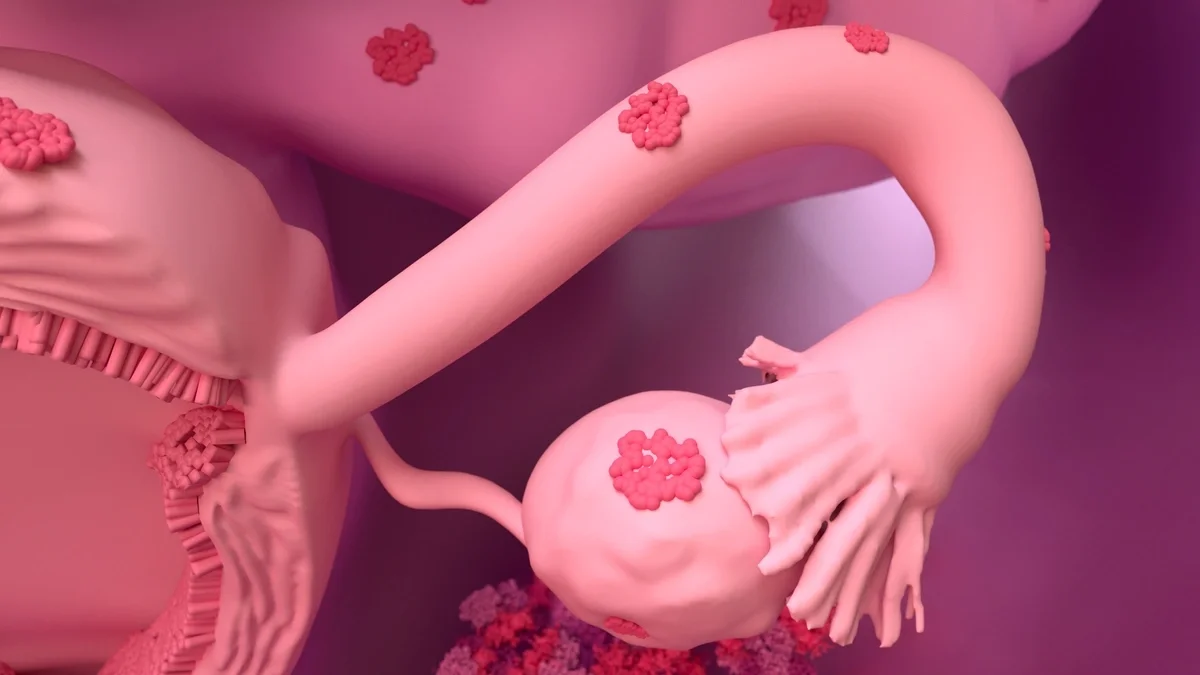
Illustration of endometriomas
Impact on Fertility
Research suggests that up to 50% of individuals with endometriosis experience infertility. Why? Several factors contribute:
-
Distorted pelvic anatomy from scarring (adhesions)
-
Inflammation that affects egg quality, fertilization, implantation, and pregnancy retention
-
Blocked fallopian tubes, preventing sperm and egg from meeting
-
Impaired implantation, making it harder for embryos to attach to the uterine lining
Importantly, the severity of endometriosis doesn’t always predict fertility challenges or severity of symptoms. Even mild cases can make conception difficult or cause significant, disruptive symptoms.
Why Early Diagnosis Matters
Early detection can significantly improve symptom management and fertility outcomes. Unfortunately, many people spend years coping with pain or unexplained infertility before receiving a diagnosis. Many women are affected by symptoms early after puberty but experience a delay in diagnosis because of their young age.
Common Symptoms to Watch For
-
Chronic pelvic pain
-
Painful periods (dysmenorrhea)
-
Pain during intercourse (dyspareunia)
-
Painful bowel movements (dyschezia)
-
Bloating, fatigue, or digestive issues
-
Difficulty getting pregnant
If these symptoms apply to you, tracking them and sharing details with a fertility specialist is key. At AFCC, we offer comprehensive evaluations, including:
-
Advanced imaging to assess pelvic health and tubal status
-
Hormonal testing for reproductive function
-
Diagnostic laparoscopy, an outpatient procedure that allows direct visualization of endometriosis lesions and treatment (performed by your gynecologist or a designated minimally-invasive gynecological surgeon (MIGS))
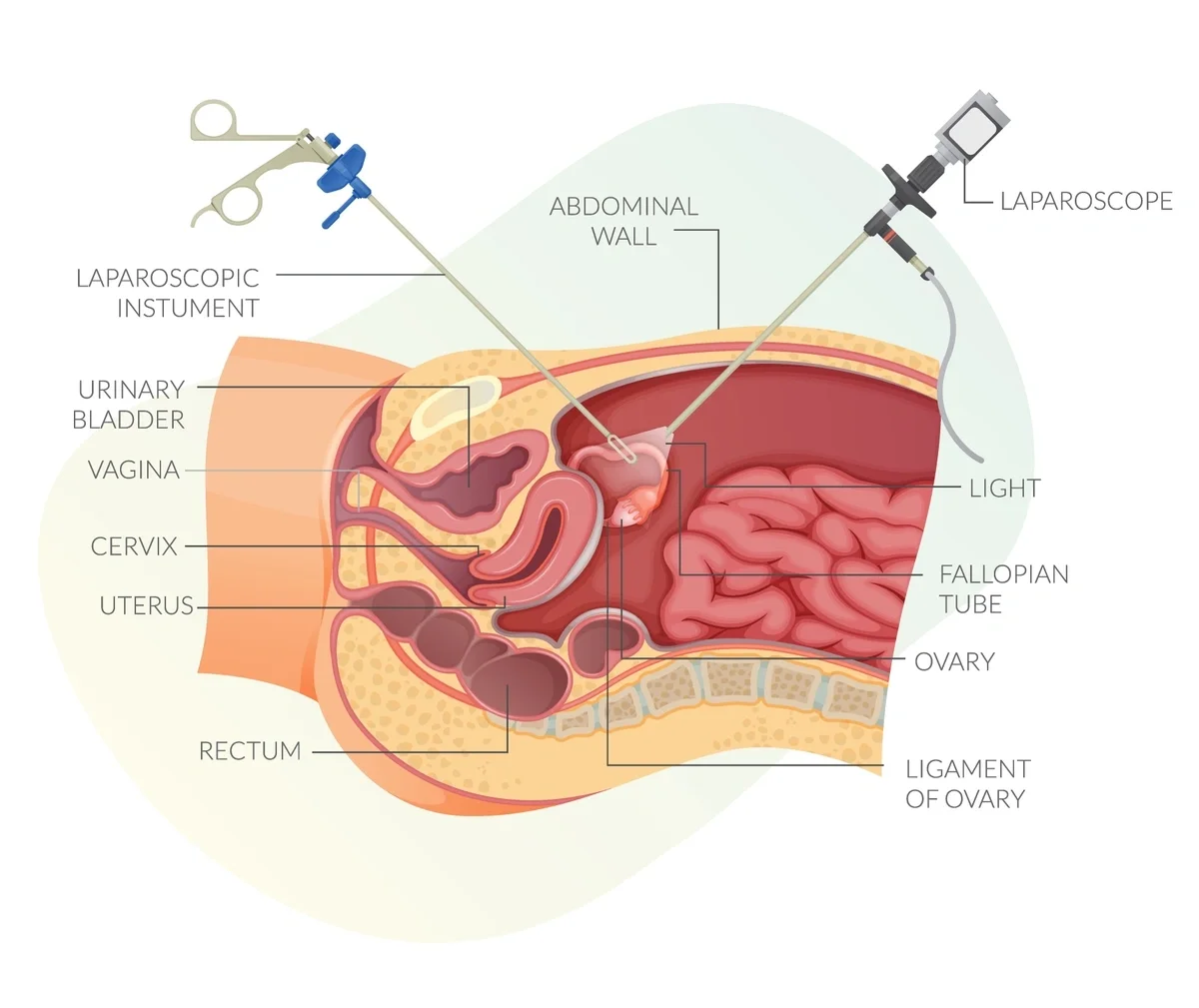
Illustration of a laparoscopy procedure
Fertility Treatment Options for Endometriosis at AFCC
Our specialists tailor treatment plans to your unique medical history, age, goals, and stage of endometriosis. Here are the most common options:
Ovulation Induction with Timed Intercourse or IUI
For mild cases, medications that stimulate ovulation can be paired with intrauterine insemination (IUI) to increase chances of fertilization.
In Vitro Fertilization (IVF)
IVF is often the most effective treatment for moderate to severe endometriosis. By bypassing the fallopian tubes, IVF improves conception rates—especially when tubal damage or pelvic adhesions are present.
Fertility Preservation
If you’re considering surgery or managing progressive symptoms, egg freezing or embryo freezing can safeguard your future family-building options.
Collaborative Surgical Management
When surgery is recommended, AFCC partners with experienced gynecologic surgeons for diagnosing and treating endometriosis lesions. Post-surgical fertility treatment, timed and managed by a reproductive endocrinologist, often yields better outcomes.
Take the Next Step Toward Parenthood
Endometriosis may make getting pregnant more challenging—but it doesn’t make it impossible. At AFCC, our board-certified reproductive endocrinologists take a holistic approach, considering your symptoms and medical history, your family-building goals, and your response to treatment. If you’re ready to explore your options, AFCC is here to help you move forward with clarity and confidence. Schedule a consultation and start your journey toward growing your family.
Categories
About the AFCC Blog
Welcome to the Advanced Fertility Center of Chicago’s blog! Here, you will find information on the latest advancements in fertility care and treatments, including IVF, IUI, third-party reproduction, LGBTQ+ family building, preimplantation genetic testing, and more. Since 1997, we’ve used our experience and continuous investment in the latest fertility technology to help thousands of patients grow their families. Contact us today for more information or to schedule a new patient appointment.