
Laparoscopy in Fertility Care: A Comprehensive Guide
When infertility remains unexplained after initial testing, or when troublesome symptoms (e.g., painful periods, discomfort during intercourse) coexist with infertility, laparoscopy may be recommended. This minimally invasive surgical procedure allows gynecological surgeons to see inside the pelvic cavity with unparalleled clarity. By using a thin, lighted instrument called a laparoscope, doctors can both diagnose and treat conditions in a single procedure, reducing delays and improving chances of conception.
What Is Laparoscopy?
Laparoscopy is a surgical technique performed under general anesthesia. Unlike traditional open surgery, which requires large incisions, laparoscopy uses small incisions (usually less than 1 cm) to insert a camera and instruments. This approach offers:
-
Less pain and scarring
-
Shorter recovery time
-
Lower risk of complications
The laparoscope transmits high-definition images to a monitor, giving the surgeon a clear view of the uterus, fallopian tubes, ovaries, and surrounding structures.
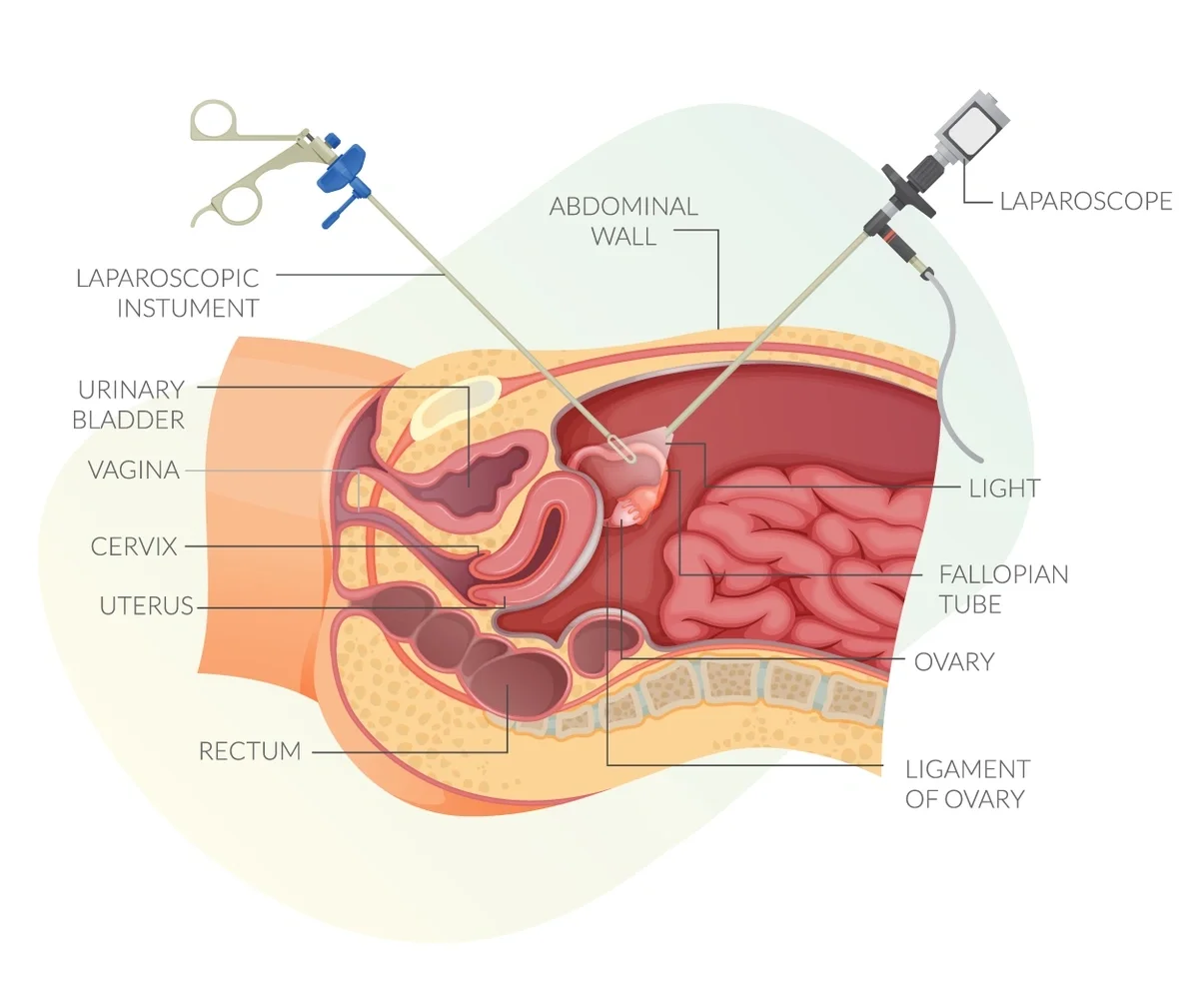
Illustration of laparoscopy
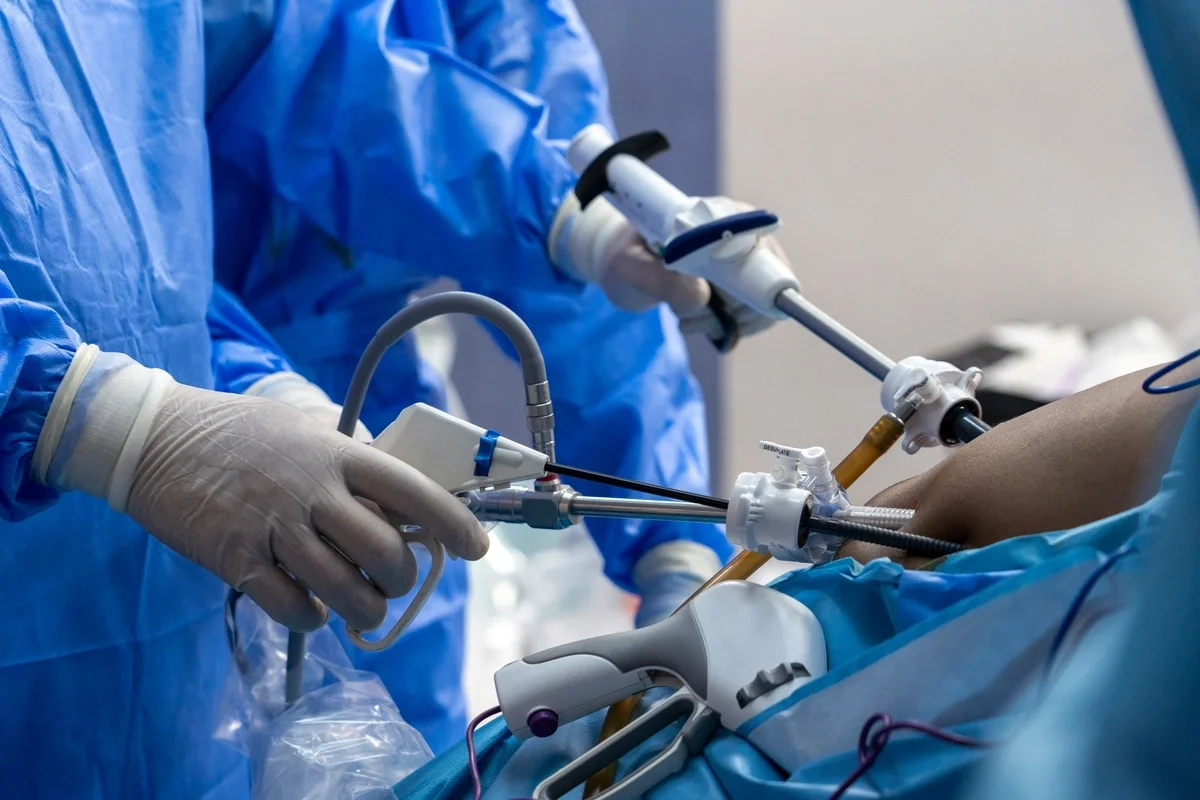
Image of laparoscopy
Purpose of Laparoscopy in Fertility Care
Laparoscopy serves two key roles:
-
Diagnostic – It helps identify conditions that may not appear on ultrasound or HSG (hysterosalpingogram).
-
Therapeutic – If abnormalities are found, they can often be treated during the same procedure, avoiding multiple surgeries.
Common reasons your physician may recommend laparoscopy include:
-
Troublesome symptoms that reduce quality of life (e.g., discomfort during periods, painful intercourse, painful bowel movements)
-
Suspected endometriosis or pelvic adhesions by history or imaging
-
Abnormal imaging results
-
History of pelvic infection or surgery
What Can Laparoscopy Diagnose?
Laparoscopy is considered the gold standard for diagnosing certain conditions:
-
Endometriosis – Growth of uterine lining tissue outside the uterus, which can cause pain and infertility.
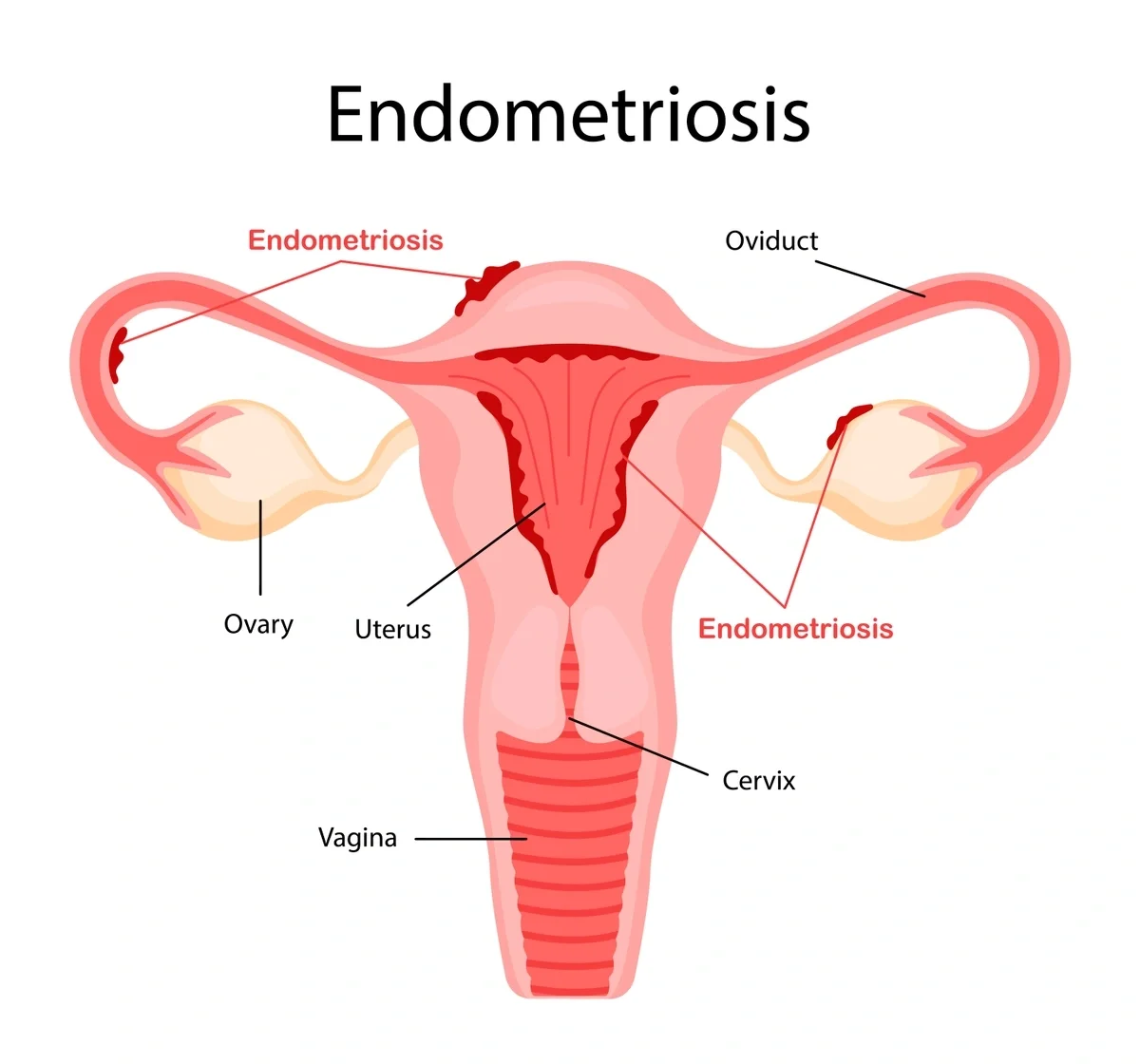
Illustration of endometriosis
-
Pelvic adhesions – Scar tissue that may restrict organ movement and block fallopian tubes.
-
Blocked fallopian tubes – A major cause of tubal factor infertility.
-
Ovarian cysts – Including endometriomas (chocolate cysts).
-
Fibroids – Growths that can interfere with implantation or cause heavy bleeding.
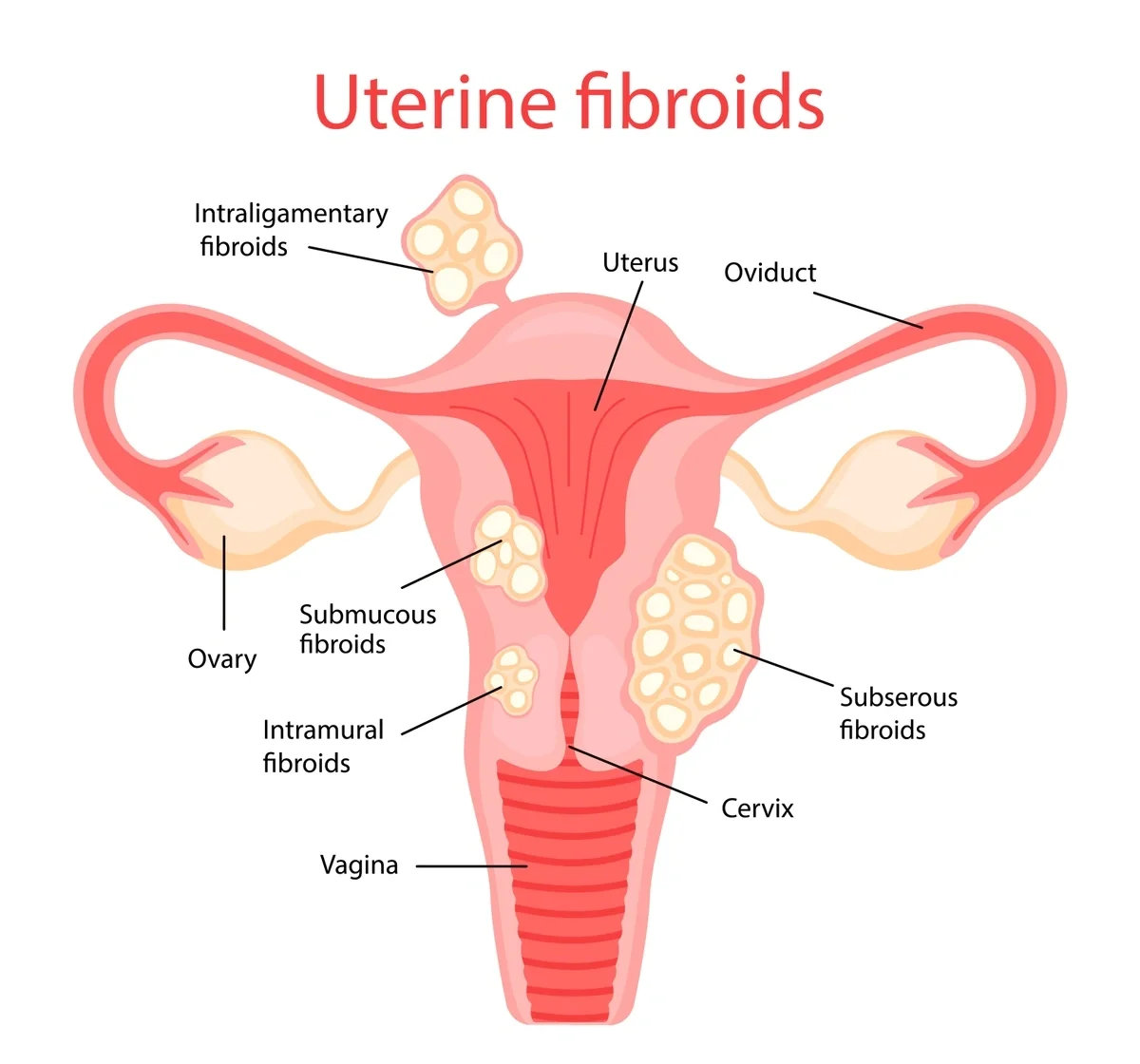
Illustration of uterine fibroids
In addition to diagnosis, laparoscopy can treat these conditions immediately, improving fertility outcomes.
Step-by-Step Process
Here’s what patients can expect:
-
Pre-Procedure Preparation
-
You’ll receive instructions from your care team on fasting and medications.
-
Pre-op blood work and sometimes imaging are completed.
-
General anesthesia is provided to prevent discomfort and assure relaxation.
-
-
Creating Access
-
A small incision is made near the belly button.
-
Carbon dioxide gas is introduced to gently inflate the abdomen, creating space for visualization.
-
-
Insertion of Laparoscope
-
The laparoscope—a thin tube with a camera—is inserted through the incision.
-
Images are displayed on a monitor for precise evaluation.
-
-
Diagnostic Evaluation
-
A gynecological surgeon examines the uterus, ovaries, fallopian tubes, and pelvic cavity for abnormalities.
-
-
Treatment (If Needed)
-
If endometriosis, adhesions, or cysts are found, specialized instruments are inserted through additional tiny incisions.
-
These instruments allow removal of scar tissue, cauterization of endometriosis, or repair of blocked tubes.
-
-
Completion & Recovery
-
Instruments are removed, gas is released, and incisions are closed with sutures or surgical tape.
-
Most patients go home the same day and resume light activities within a few days. Full recovery typically takes 1–2 weeks.
-
Final Thoughts
If you’ve been struggling with infertility and want answers, schedule a consultation with AFCC today. Our team will help determine if laparoscopy is right for you and refer you to the appropriate gynecological surgeon.
Categories
About the AFCC Blog
Welcome to the Advanced Fertility Center of Chicago’s blog! Here, you will find information on the latest advancements in fertility care and treatments, including IVF, IUI, third-party reproduction, LGBTQ+ family building, preimplantation genetic testing, and more. Since 1997, we’ve used our experience and continuous investment in the latest fertility technology to help thousands of patients grow their families. Contact us today for more information or to schedule a new patient appointment.