


When IVF Is Recommended (and When It’s Not)
In vitro fertilization (IVF) is often the most well‑known fertility treatment—but it’s also one of the most misunderstood.
Some patients worry IVF will be recommended too quickly. Others wonder if they’re “behind” if IVF hasn’t been discussed yet. The truth is, IVF is not a default or a final step—it’s one of many tools, and whether it’s recommended depends on your individual diagnosis, goals, and timeline.
This guide explains when IVF is commonly recommended, when it’s not, and how fertility specialists decide what makes sense for you.
First Things First: IVF Is a Treatment Option, Not a Requirement
IVF allows eggs and sperm to meet outside the body in the laboratory (in vitro), with resulting embryos transferred into the uterus. It can be very effective—but it’s also more involved than many other treatments.
At Advanced Fertility Center of Chicago (AFCC), the goal isn’t to move patients to IVF as quickly as possible. It’s to match the right treatment to the right patient at the right time.
For some, IVF is the most effective next step. For others, it may be unnecessary—or something to revisit later.
When IVF Is Commonly Recommended
1. Fallopian Tube Blockage or Damage
If both fallopian tubes are blocked or significantly damaged, sperm and egg cannot meet naturally. IVF bypasses the tubes entirely, making it the most effective option in these cases.
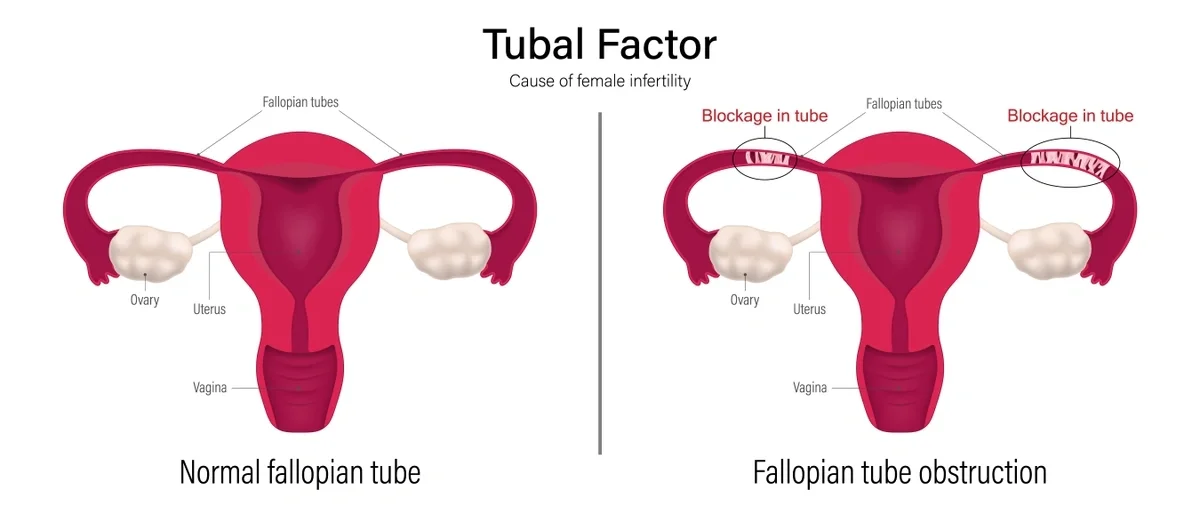
Illustration of fallopian tube obstruction
2. Severe Male Factor Infertility
IVF (often with ICSI, or intracytoplasmic sperm injection) may be recommended when sperm count, movement, or shape is significantly reduced, or when sperm need to be surgically retrieved.
In these situations, less invasive treatments like IUI are often unlikely to succeed.
3. Diminished Ovarian Reserve or Advanced Reproductive Age
When ovarian reserve is lower than expected for age—or when age itself becomes a significant factor—IVF may be recommended because it:
-
Allows closer monitoring of egg development
-
Maximizes the number of eggs available in a given cycle
-
Can be more time‑efficient when time matters
Importantly, this isn’t about rushing patients—it’s about making the most of the window available.
4. Endometriosis (Moderate to Severe)
While mild endometriosis may be managed with other treatments, more advanced disease can affect egg quality, fertilization, and implantation. IVF may be recommended to improve the chances of success.
5. Unexplained Infertility (After Other Treatments Haven’t Worked)
When testing looks “normal” but pregnancy hasn’t occurred, IVF can offer valuable insight and higher success rates—especially after ovulation induction or IUI cycles haven’t resulted in pregnancy.
Unexplained infertility doesn’t mean nothing is wrong; it means IVF can sometimes help clarify what’s happening and move things forward.
6. Genetic Conditions or Prior Pregnancy Loss
IVF may be recommended when:
-
One or both partners carry a heritable genetic condition
-
Preimplantation genetic testing (PGT) may reduce the risk of passing on certain conditions
-
There is a history of recurrent pregnancy loss where embryo genetics may be a factor
-
Advanced female age (usually over 35), when chromosomal abnormalities in eggs and embryos become more common
7. Fertility Preservation Needs
IVF is often used for egg or embryo freezing when patients wish to preserve fertility due to:
-
Medical treatment (e.g., chemotherapy)
-
Timing or personal circumstances
-
Family-building planning
When IVF Is Not Always the First Recommendation
1. Ovulation Disorders that Respond to Medications
If ovulation is irregular or absent, many patients conceive with ovulation‑inducing medications—sometimes combined with timed intercourse or IUI.
IVF may not be necessary as a first step in these cases.
2. Mild Male Factor or Cervical Issues
When sperm parameters are only mildly affected, IUI may be a reasonable and effective option before considering IVF.
3. Early in the Fertility Journey
For patients early in trying to conceive—especially under age 35—expectation management or gentle treatment approaches may be appropriate before escalating care.
Why IVF Isn’t Recommended Lightly
IVF involves:
-
Coordination and monitoring
-
Injectable medications
-
Significant financial and emotional investment
That’s why fertility specialists look at the whole picture, including:
-
Age and ovarian reserve
-
Diagnosis and test results
-
How long you’ve been trying
-
Previous treatments (if any)
-
Personal preferences and comfort level
There is no one‑size‑fits‑all pathway.
A Common Misconception: “If IVF Is Recommended, Other Options Were Skipped”
In reality, IVF is often recommended because it aligns best with a patient’s current situation—not because other options were ignored.
Sometimes IVF offers the clearest path forward. Sometimes it’s something to keep in mind for the future. Both are valid.
The Most Important Thing to Know
IVF is not a judgment, a failure, or an inevitability.
It’s one option among many—and when it’s recommended, it’s because your care team believes it may offer you the best chance of success given your unique circumstances.
Not Sure What Next Step Makes Sense for You?
Deciding whether IVF is the right option can feel overwhelming—but you don’t have to figure it out on your own. At Advanced Fertility Center of Chicago, our physicians take the time to review your testing, listen to your goals, and help you understand all of your options before recommending a treatment plan.
Schedule a fertility consultation to review your results and discuss the path that’s right for you.
Categories
About the AFCC Blog
Welcome to the Advanced Fertility Center of Chicago’s blog! Here, you will find information on the latest advancements in fertility care and treatments, including IVF, IUI, third-party reproduction, LGBTQ+ family building, preimplantation genetic testing, and more. Since 1997, we’ve used our experience and continuous investment in the latest fertility technology to help thousands of patients grow their families. Contact us today for more information or to schedule a new patient appointment.