
Fertility Diet: What to Eat When You're Trying to Conceive
If you're trying to conceive, it's natural to wonder whether what's on your plate can help. The honest answer: there's no single "fertility diet" or magic food that guarantees pregnancy — but what you eat is one of the things genuinely within your control, and research suggests it can support reproductive and general health for both partners. Think of nutrition as a foundation that works alongside medical care, not a replacement for it.
Here's what the evidence actually supports.
Is There Really a "Fertility Diet"?
Not in the sense of a rigid meal plan. What research points to is an overall eating pattern rather than any one superfood. And among the patterns studied, a Mediterranean-style diet has shown the strongest and most consistent association with better fertility outcomes — including higher clinical pregnancy rates — in both people trying to conceive naturally and those undergoing treatment.
Two important caveats keep this in perspective. First, most of this research is observational, meaning it shows an association, not a guarantee — diet is one contributor among many. Second, the findings are strongest for overall pregnancy rates; studies are more mixed on whether diet changes harder outcomes like egg or embryo quality. In other words: eating well is worth doing and can genuinely help, but it's a supporting player, not a cure.
The Foundation: A Mediterranean-Style Pattern
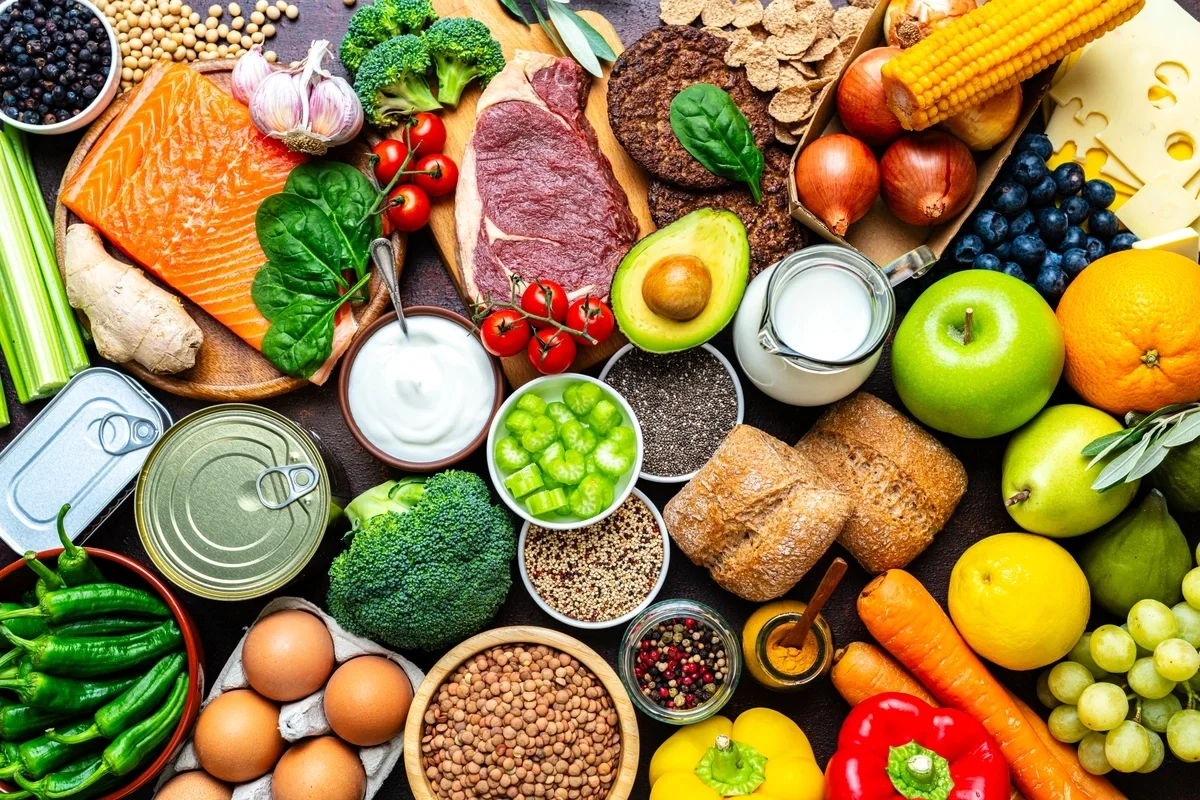
You don't need to overhaul everything overnight. The core of a fertility-supportive diet looks like this:
-
Plenty of vegetables and fruits — the more color and variety, the better.
-
Whole grains (brown rice, oats, quinoa, whole-grain bread) instead of refined ones.
-
Legumes and plant proteins — beans, lentils, chickpeas, nuts, and seeds.
-
Healthy fats, especially extra-virgin olive oil, nuts, and avocado.
-
Fish and seafood a couple of times a week, with poultry in moderation.
-
Less red and processed meat, and fewer refined carbohydrates.
This pattern is flexible and sustainable rather than restrictive — which matters, because the diet that helps is the one you can actually maintain.
Key Nutrients Worth Prioritizing
Folate / folic acid. This is the one nutrient with the clearest, strongest recommendation. Anyone who could become pregnant is generally advised to take a supplement with about 400 micrograms of folic acid daily before conception, because it lowers the risk of neural tube defects in early pregnancy — often before you know you're pregnant. Leafy greens, legumes, and fortified grains add dietary folate on top of that.
Complex carbohydrates and blood-sugar balance. Whole, high-fiber carbohydrates cause gentler blood-sugar and insulin responses than refined ones, and steadier insulin supports more regular ovulation. This is especially relevant if you have PCOS/PMOS, where insulin resistance is often a driver.
Healthy fats and omega-3s. Fatty fish, walnuts, and flaxseed provide omega-3 fatty acids, which some studies associate with modestly improved fertility. Just as important is minimizing trans fats (see below).
Antioxidants. Colorful produce, nuts, and seeds supply antioxidants that help protect eggs and sperm from oxidative stress. The evidence here is promising but mixed, so think of antioxidant-rich foods as part of the overall pattern rather than a standalone fix. Our post on antioxidants for fertility goes deeper.
Iron and vegetable protein. Getting more protein from plants and including iron-rich foods has been associated with better ovulatory function. Legumes do double duty here.
Vitamin D. Many people run low, and deficiency has been linked to fertility challenges. Ask your provider whether testing your level makes sense.
Don't Forget the Other Half: Diet and Sperm Health
Fertility is a two-person equation, and diet matters just as much for the male partner. The same Mediterranean-style pattern — rich in antioxidants, healthy fats, and whole foods — is associated with better sperm quality. One practical note: because sperm take about three months to develop, dietary changes need a couple of months before they'd show up in a semen analysis. Starting early is worth it.
What to Limit
Just as helpful as what you add is what you cut back on. The most consistent evidence points to reducing:
-
Trans fats — found in some fried and packaged foods; the least fertility-friendly fat.
-
Ultra-processed and fast foods, which several studies link to a longer time to pregnancy.
-
Sugar-sweetened beverages and heavily refined carbohydrates.
-
Alcohol — best minimized or avoided while trying to conceive.
-
Excess caffeine — moderate intake (roughly one to two cups of coffee a day) is generally considered fine; very high intake is best avoided.
Where Weight Fits In
Being at either a very low or very high body weight can affect hormones and ovulation, so weight is part of the fertility picture — but it's an individual one. Rather than chasing a number or a restrictive plan, focus on the sustainable eating pattern above and, if weight is a concern, work with your physician or a registered dietitian on an approach that's right for you. This is especially worth discussing if you have PCOS/PMOS or irregular cycles. You can learn more about the connection between BMI and fertility here.
Diet Is a Foundation, Not a Finish Line
Eating well supports your reproductive health and your overall wellbeing, and it's a positive, empowering place to start. But if you've been trying to conceive for a year — or six months if you're over 35 — food alone isn't the answer, and it's time to talk with a specialist. A fertility evaluation can identify anything that nutrition can't address on its own.
Frequently Asked Questions
What is the best diet for fertility? A Mediterranean-style pattern — lots of vegetables, fruits, whole grains, legumes, fish, and olive oil, with less red and processed meat and fewer refined carbs — has the most consistent research support for both partners.
Can changing my diet cure infertility? No. Diet can support fertility and improve overall health, but infertility often has medical causes that require evaluation and treatment. Think of nutrition as one helpful, controllable factor.
How far in advance should I change my diet? The sooner the better. For men especially, allow about three months, since that's how long sperm take to develop. For women, building healthy habits before conception also supports early pregnancy.
Do I need supplements? The clearest recommendation is a folic acid supplement (about 400 mcg daily) before conception. Beyond that, talk to your provider before starting supplements — more isn't always better, and needs vary by individual.
Does my partner's diet matter? Yes. Sperm health responds to diet too, so it's most effective when both partners eat well.
Start With Small, Sustainable Changes
You don't have to be perfect — consistency matters more than any single meal. If you're ready to take the next step in your fertility journey, the team at Advanced Fertility Center of Chicago is here to help with personalized, evidence-based care.
Categories
About the AFCC Blog
Welcome to the Advanced Fertility Center of Chicago’s blog! Here, you will find information on the latest advancements in fertility care and treatments, including IVF, IUI, third-party reproduction, LGBTQ+ family building, preimplantation genetic testing, and more. Since 1997, we’ve used our experience and continuous investment in the latest fertility technology to help thousands of patients grow their families. Contact us today for more information or to schedule a new patient appointment.