

Ovarian Stimulation and IVF Medications: Understanding Your Protocol
If you're preparing for IVF or egg freezing, the medication phase can feel like the most intimidating part — a stretch of daily injections, frequent monitoring, and unfamiliar drug names. The good news: there's a clear logic behind it, and your protocol is designed specifically for you. Here's a plain-language guide to what the medications do, why different protocols exist, and what to expect along the way.
A quick note before we start: this is general education, not medical instruction. Your care team will give you your exact medications, doses, and schedule — those are always individualized.
What Is Ovarian Stimulation?
In a natural cycle, your body typically matures and releases a single egg. Ovarian stimulation uses injectable hormones to encourage several follicles to grow and mature in the same cycle, so more eggs can be retrieved at once. More mature eggs generally means more chances to create viable embryos, which is why stimulation is the foundation of IVF and egg freezing.
This is different from ovulation induction, which uses gentler (often oral) medication to prompt ovulation for timed intercourse or IUI. Ovarian stimulation for IVF is more intensive and closely monitored.
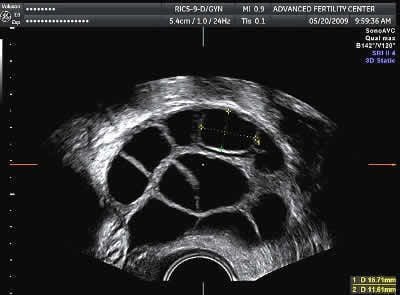
Ultrasound of multiple follicles (black circles) in a stimulated ovary
Yellow cursors outline one follicle example, which is 15 mm diameter
The Main Types of IVF Medications
Most protocols draw on a few categories of medication, each with a specific job:
-
Gonadotropins are the core stimulation injections. They supply follicle-stimulating hormone (FSH), sometimes with luteinizing hormone (LH) or human chorionic gonadotropin (hCG) to grow multiple follicles. Common brand names include Follistim, Gonal-F, Pregnyl, and Menopur.
-
GnRH antagonists (such as ganirelix or cetrotide) prevent your body from ovulating too early — before the eggs can be retrieved. They act quickly and are added partway through stimulation.
-
GnRH agonists (such as leuprolide, known by the brand Lupron) can serve two different roles depending on the protocol: preventing premature ovulation, or acting as the final "trigger."
-
Trigger medications — either hCG or a GnRH agonist like Lupron — prompt the eggs to complete their final maturation just before retrieval.
-
Oral medications like letrozole or clomiphene are sometimes added, particularly in milder stimulation approaches.
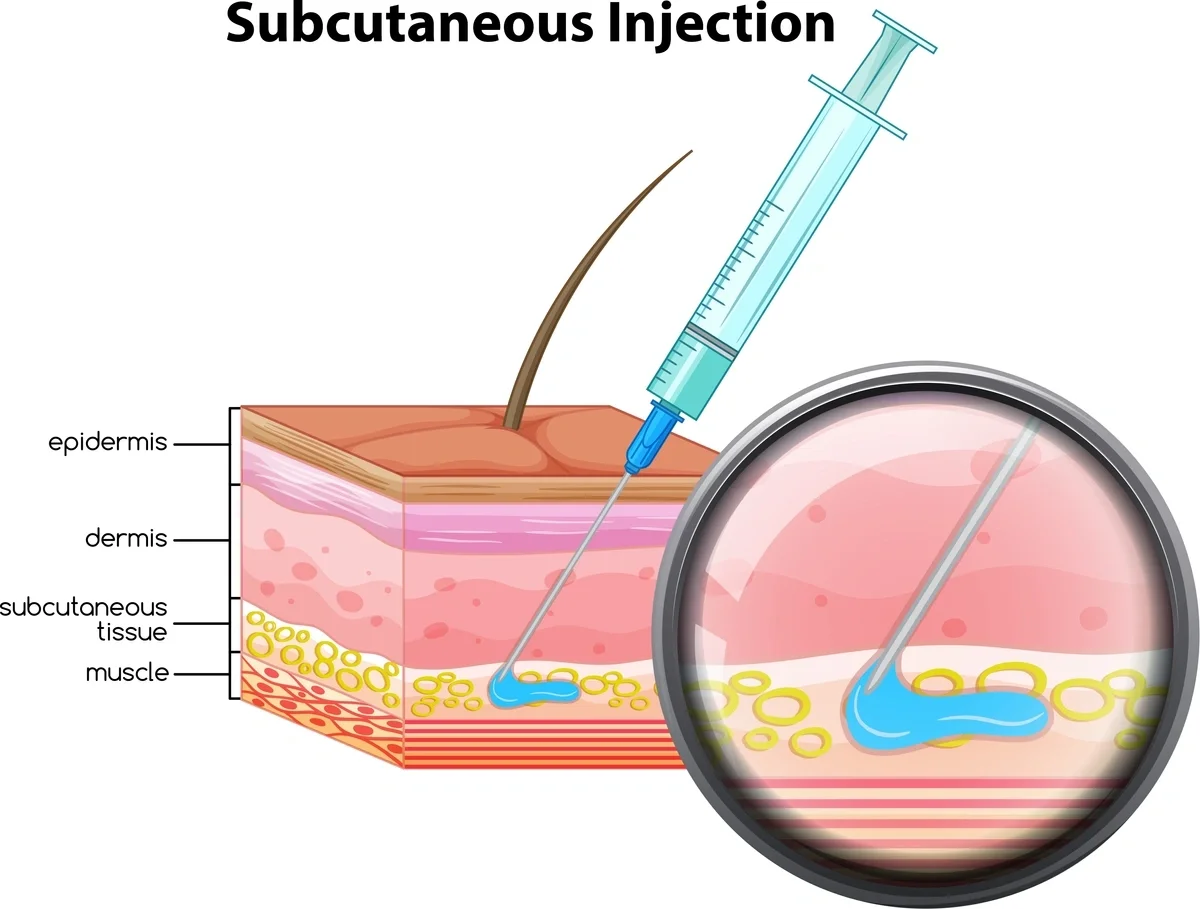
If self-injecting feels daunting, know that these are small subcutaneous shots, and your nurses will teach you exactly how to do them.
Common IVF Protocols — and Why Your Doctor Chooses One
There is no single "best" protocol. Your physician selects one based on your age, ovarian reserve (egg supply), hormone levels, and how you've responded to treatment before. The main approaches include:
Antagonist protocol. The most commonly used approach today. Stimulation begins early in your cycle, and a GnRH antagonist is added after a few days to prevent early ovulation. It's shorter and more flexible than older protocols, and it carries a lower risk of ovarian hyperstimulation (OHSS) because it allows a Lupron trigger (more on that below).
Long agonist (Lupron down-regulation) protocol. Here you begin a GnRH agonist before stimulation to first quiet the ovaries, then start gonadotropins. It's a longer protocol that can offer precise cycle control and suits certain patients well.
Microdose Lupron flare protocol. This uses low-dose Lupron in a way that gives your own hormones an early "flare" boost to stimulation. It's often chosen for people who have diminished ovarian reserve or who responded poorly to a previous cycle.
Mild or minimal stimulation. Lower medication doses, sometimes with oral agents, for situations where a gentler approach makes sense.
Your protocol is also created to how you're expected to respond. Someone with diminished reserve may need a higher-intensity approach, while a high responder — for example, many patients with PCOS/PMOS — is typically managed with careful dosing and an agonist trigger to keep the risk of overstimulation low.
Monitoring During Stimulation
Once injections begin, you'll come in frequently — usually four to six visits over roughly 8 to 14 days — for ultrasounds and bloodwork. These track how your follicles are growing and how your estrogen is rising, and they let your physician adjust your dose in real time. This close monitoring is exactly what keeps the cycle both effective and safe.
The Trigger Shot
When your lead follicles reach maturity (generally around 18–20 mm), you'll take the trigger shot to prompt final egg maturation. Timing is precise: egg retrieval is scheduled for about 34 to 36 hours later, so the trigger must be given exactly when your team instructs.
Side Effects and Preventing OHSS
Most people experience only mild effects during stimulation — bloating, mood changes, tenderness at injection sites, and some fatigue. The one complication your team actively works to prevent is ovarian hyperstimulation syndrome (OHSS), an excessive response to the medications. Modern practice has made OHSS much less common through careful dosing, the antagonist protocol, and using a Lupron trigger instead of hCG in higher-risk patients — sometimes paired with freezing all embryos and transferring later. If you're at higher risk, your physician will incorporate these safeguards into your plan.
What Happens Next
After the trigger and retrieval, your eggs are either frozen (for fertility preservation) or fertilized to create embryos as part of IVF. From there, the focus shifts to embryo development and transfer.
Frequently Asked Questions
How long do IVF injections last? Stimulation typically runs about 8 to 14 days, depending on your protocol and how your follicles respond.
Do the shots hurt? Most are small subcutaneous injections that cause only minor discomfort. Your care team will train you (and a partner, if you like) on technique to make them as easy as possible.
What's the difference between an agonist and an antagonist protocol? Both prevent premature ovulation, but they work differently and on different timelines. The antagonist protocol is shorter and is the most common approach today; the long agonist (Lupron) protocol starts earlier and offers a different kind of cycle control. Your doctor chooses based on your individual profile.
How is my protocol chosen? It's based on your age, ovarian reserve, hormone levels, and any prior treatment response — which is why two patients can be on very different plans.
Will ovarian stimulation use up my egg supply? No. Each month your body naturally recruits a group of follicles and normally loses all but one. Stimulation simply rescues more of that same group — it doesn't dip into your future reserve.
Talk Through Your Options With Our Team
Understanding the "why" behind your medications can make the whole process feel far more manageable. At Advanced Fertility Center of Chicago, we'll walk you through your personalized protocol and support you at every step. Schedule a consultation today.
Categories
About the AFCC Blog
Welcome to the Advanced Fertility Center of Chicago’s blog! Here, you will find information on the latest advancements in fertility care and treatments, including IVF, IUI, third-party reproduction, LGBTQ+ family building, preimplantation genetic testing, and more. Since 1997, we’ve used our experience and continuous investment in the latest fertility technology to help thousands of patients grow their families. Contact us today for more information or to schedule a new patient appointment.