
Ovulation Induction: A Closer Look at One of Fertility Care’s Most Common Treatments
For many patients beginning their fertility journey, the term “ovulation induction” may sound clinical or unfamiliar. But for those struggling with irregular cycles or unexplained infertility, it’s often one of the first tools used to achieve a pregnancy. At Advanced Fertility Center of Chicago (AFCC), we believe in demystifying the process and empowering patients with knowledge. Here’s what you need to know about ovulation induction: what it is, who it’s for, how it works, and what to expect.
What Is Ovulation Induction?
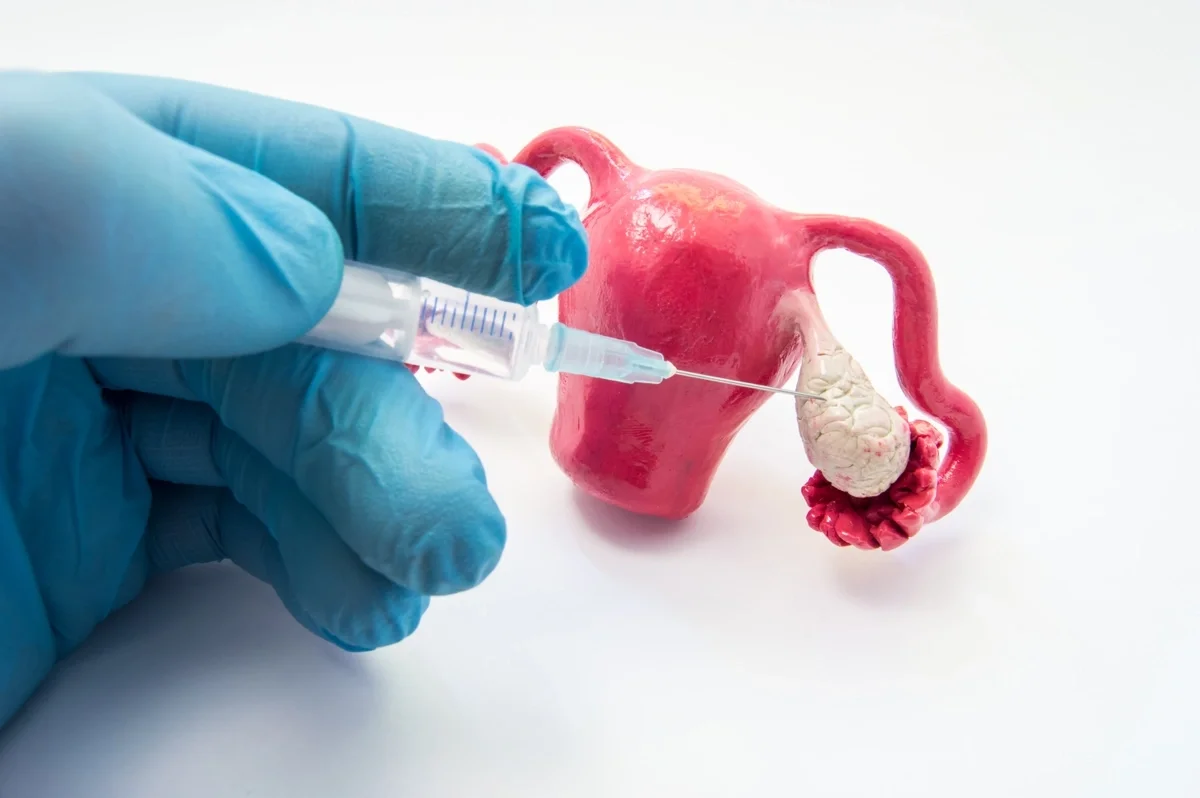
Ovulation induction is a fertility treatment that uses medications to stimulate the ovaries to release eggs. It’s designed for individuals who either don’t ovulate at all (anovulation, which is the inability to form mature eggs) or ovulate irregularly (oligoovulation), which can make timing conception challenging.
In a typical menstrual cycle, one egg matures and is released from the ovary. But for those with ovulatory dysfunction, this process may be unpredictable or absent. Ovulation induction helps regulate and stimulate this process, increasing the chances of pregnancy either through timed intercourse or intrauterine insemination (IUI).
Who Should Consider Ovulation Induction?
Ovulation induction is recommended for a variety of fertility challenges, including:
-
Polycystic Ovary Syndrome (PCOS): A leading cause of anovulation, PCOS affects hormone levels and ovulatory function. Letrozole (Femara) is often the first-line treatment for PCOS due to its superior outcomes compared to clomiphene (Clomid).
-
Functional Hypothalamic Amenorrhea (FHA): Caused by stress, weight loss, eating disorder, or excessive exercise, FHA can suppress ovulation.
-
Unexplained Infertility: Even in patients who ovulate regularly, medications may improve egg quality, the number of mature eggs per cycle, or timing.
-
Mild Male Factor Infertility: Ovulation induction paired with IUI can optimize timing and increase the chances of pregnancy compared with intercourse alone.
-
Preparation for IVF or Egg Freezing: Stimulating multiple eggs for retrieval is a key step in assisted reproductive technologies.
Before starting treatment, both partners undergo a comprehensive evaluation—including hormone testing, ultrasound, assessment of the fallopian tubes (if indicated) and semen analysis—to determine the best course of action.
What Medications Are Used?
Ovulation induction medications fall into two main categories: oral and injectable.
Oral Medications
-
Clomiphene Citrate (Clomid): This medication blocks estrogen receptors, prompting the brain to release more follicle-stimulating hormone (FSH). This encourages the growth of ovarian follicles. It’s also used in patients with regular cycles but unexplained infertility.
-
Letrozole (Femara): This lowers estrogen production, which also increases FSH. It’s particularly effective for PCOS patients and has a slightly lower risk of multiple gestations compared to clomiphene.
Injectable Medications (Gonadotropins)
-
FSH and LH (e.g., Gonal-F, Menopur, Follistim): These medications directly stimulate the ovaries and are used when oral medications are ineffective or when multiple eggs are desired (e.g., for IVF or donor cycles) or in the case of hypothalamic anovulation.
-
Human Chorionic Gonadotropin (hCG): Often used to trigger ovulation once follicles have matured.
Monitoring is essential. Patients undergo regular ultrasounds and bloodwork to track follicle development and hormone levels, ensuring the treatment is both safe and effective.
What Is the Process Like?
Here’s a typical ovulation induction cycle, step-by-step:
-
Baseline Testing: Ultrasound and bloodwork confirm lack of large cysts and establish baseline hormone levels.
-
Medication Start: Oral or injectable medications begin early in the cycle, usually on day 3.
-
Monitoring Visits: Ultrasounds and labs track follicle growth and estrogen levels.
-
Trigger Shot: When follicles are mature, an hCG injection is given to prompt ovulation.
-
Timed Intercourse or IUI: Based on your treatment plan, patients either have intercourse or undergo insemination.
-
Follow-Up: A progesterone test confirms ovulation and is often ordered 7-10 days after the hCG trigger. A pregnancy test is scheduled about two weeks later.
How Effective Is Ovulation Induction?
Success rates vary based on diagnosis, age, and medication type:
-
Clomid and Letrozole: Ovulation occurs in 70–85% of patients; pregnancy rates range from 10–20% per cycle.
-
Gonadotropins: Higher ovulation and pregnancy rates, but also higher risks of multiple gestations and ovarian hyperstimulation syndrome (OHSS).
Ovulation induction with oral medications is often a first-line treatment because it’s relatively low-cost, minimally invasive, and can be quite effective—especially when paired with IUI.
Risks and Considerations
While generally safe, ovulation induction does carry some risks:
-
Multiple Pregnancy: Especially with injectables, there’s a higher chance of becoming pregnant with twins or triplets (7-10% with oral medications, 10-20% with injectables).
-
Ovarian Hyperstimulation Syndrome (OHSS): A rare but serious condition where the ovaries become swollen and painful. You can learn more about OHSS in our dedicated blog.
-
Mood Swings and Hot Flashes: Common side effects of Clomid. You can learn more about potential side effects of Clomid here.
At AFCC, we tailor each protocol to minimize risks while maximizing success. Our team closely monitors each cycle and adjusts medications as needed.
Final Thoughts
Ovulation induction is more than just a medical protocol—it’s a step toward parenthood. Whether you’re just beginning your fertility journey or exploring options after a diagnosis, this treatment can offer clarity, control, and a renewed sense of purpose.
If you’re wondering whether ovulation induction is right for you, schedule a consultation with one of our board-certified reproductive endocrinologists. We’ll walk you through every step, answer your questions, and build a plan that’s personalized to your goals.
Categories
About the AFCC Blog
Welcome to the Advanced Fertility Center of Chicago’s blog! Here, you will find information on the latest advancements in fertility care and treatments, including IVF, IUI, third-party reproduction, LGBTQ+ family building, preimplantation genetic testing, and more. Since 1997, we’ve used our experience and continuous investment in the latest fertility technology to help thousands of patients grow their families. Contact us today for more information or to schedule a new patient appointment.