

Thyroid Health and Fertility: How Your Thyroid Affects Getting Pregnant
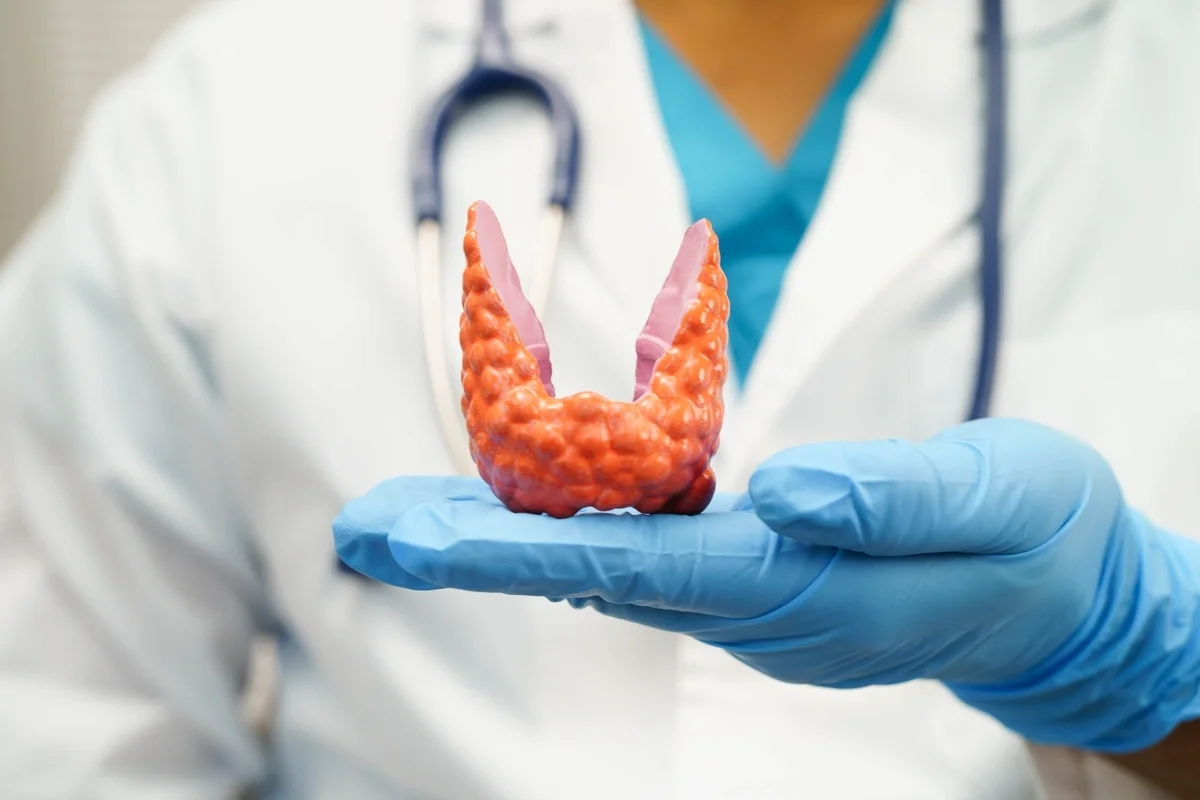
The thyroid is a small, butterfly-shaped gland in your neck — and it has a significant role in helping you conceive and maintain a pregnancy. Thyroid conditions are common in women of reproductive age, and because they can negatively affect your menstrual cycle, ovulation, and early pregnancy, they must be ruled out when you're trying to conceive. The reassuring part: thyroid problems are usually very treatable, the test is a simple blood draw, and getting your thyroid in a good place before pregnancy can make a real difference.
What Does the Thyroid Have to Do With Fertility?
Your thyroid produces hormones that regulate metabolism in nearly every cell of the body — including the ones involved in reproduction. Thyroid hormones help govern regular ovulation and menstrual cycles, support implantation, and are essential to a baby's early development. In fact, in the first weeks of pregnancy, before the baby's own thyroid is working, it relies entirely on the mother's thyroid hormone.
When thyroid hormone levels are too low or too high, that finely tuned system can be thrown off — which is why an imbalance in either direction can affect fertility.
Hypothyroidism (Underactive Thyroid) and Fertility
Hypothyroidism, in which the thyroid doesn't make enough hormone, is the more common thyroid issue affecting fertility. When levels run low, it can lead to irregular or absent ovulation, irregular or heavy periods, and a shortened luteal phase. It can also raise levels of the hormone prolactin, which further interferes with ovulation. Together, these effects can make conception more difficult and are associated with a higher risk of miscarriage when left untreated.
Common symptoms include fatigue, unexplained weight gain, sensitivity to cold, dry skin, thinning hair, and constipation — though some people have no obvious symptoms at all, which is exactly why testing matters. Because irregular cycles can also point to conditions like PCOS/PMOS, a proper evaluation helps pinpoint the cause.
Hyperthyroidism (Overactive Thyroid) and Fertility
Hyperthyroidism, an overactive thyroid, is less common but also relevant. Too much thyroid hormone can cause light, infrequent, or irregular periods, reduce fertility, and increase the risk of miscarriage. Symptoms often include unintended weight loss, a rapid or irregular heartbeat, heat intolerance, anxiety or irritability, and hand tremors. Hyperthyroidism needs careful management both before and during pregnancy, so coordinating with your doctor ahead of conception is important.
The Gray Area: Subclinical Hypothyroidism and Thyroid Antibodies
This is the part that's evolved most in recent years, and where there's a lot of confusion — so it's worth explaining clearly.
Subclinical hypothyroidism means your TSH (the main thyroid screening test) is mildly elevated while your actual thyroid hormone (free T4) is still normal. It sits in a genuinely contested area of medicine. Because a single mildly abnormal TSH often returns to normal on a second test, current guidance recommends repeating the test before starting any treatment, and treatment decisions are individualized rather than automatic.
Thyroid antibodies (such as TPO antibodies, the marker of Hashimoto's thyroiditis) can be present even when your thyroid function is completely normal. Being antibody-positive is associated with a modestly higher risk of miscarriage — but here's the important, updated part: recent high-quality clinical trials, such as the T4LIFE trial, found that giving thyroid medication (levothyroxine) to women who are antibody-positive with normal thyroid function does not improve fertility or reduce miscarriage. As a result, current guidelines no longer recommend medicating for antibody positivity alone in women with infertility or recurrent pregnancy loss.
So what is recommended? Monitoring. If you have thyroid antibodies but normal levels, the guidance is to recheck your thyroid function periodically (roughly every three to six months) while you're trying to conceive, because a small percentage of antibody-positive women go on to develop an underactive thyroid over time. In other words: attentive watching rather than automatic medicating. If you have Hashimoto's and your levels are currently normal, that's genuinely reassuring — you likely don't need medication to protect your fertility, just appropriate follow-up.
How Thyroid Problems Are Diagnosed
Diagnosis is straightforward. A blood test measuring TSH is the primary screen, often alongside free T4 and, when appropriate but not routinely, thyroid antibodies. Thyroid testing is commonly included in a fertility evaluation — especially if you have irregular cycles, symptoms, or a history of miscarriage. If you'd like help making sense of your numbers, our guide to understanding your fertility test results walks through what's typical and what isn't.
Optimizing Your Thyroid Before Pregnancy
The goal is to get your thyroid in a good place before you conceive, and treatment is usually simple and effective:
-
For hypothyroidism, the standard treatment is levothyroxine, a daily thyroid hormone replacement. If you're already taking it, your doctor will often aim for a TSH below about 4.0 before conception. It's also important to know that thyroid hormone needs typically rise in pregnancy, so your dose may need to be adjusted early — which is why prompt testing once you're pregnant matters.
-
For hyperthyroidism, your physician will discuss the safest management approach for your situation and timeline before you try to conceive.
-
Preconception nutrition: iodine is essential for thyroid hormone production, and many prenatal vitamins include it. Starting a supplement with about 150 mcg of iodine daily a few months before trying is generally recommended. You can learn more on eating well while trying to conceive in our fertility diet guide.
Every plan should be individualized and coordinated with your physician — often with an endocrinologist — so your levels are optimized and monitored throughout.
When to See a Fertility Specialist
Consider an evaluation if you have irregular cycles, have been trying to conceive without success, have experienced recurrent pregnancy loss, have a known thyroid disease and are planning a pregnancy, or have symptoms of a thyroid imbalance. A simple test can reveal whether your thyroid is a factor — and if it is, it's often one of the most fixable pieces of the fertility puzzle.
Frequently Asked Questions
Can a thyroid problem cause infertility? Yes. Both an underactive and an overactive thyroid can disrupt ovulation and menstrual cycles, reduce fertility, and increase miscarriage risk. The good news is that thyroid conditions are usually very treatable. It is unlikely, however, that subclinical hypothyroidism causes infertility.
What TSH level is best for getting pregnant? For women already being treated for hypothyroidism, doctors often aim for a TSH below about 4.05 before conception. Ideal targets are individualized, so your physician will guide what's right for you.
Do thyroid antibodies or Hashimoto's cause miscarriage? Thyroid antibodies are linked to a modestly higher miscarriage risk, but recent research shows that treating antibody-positive women who have normal thyroid function with levothyroxine or steroids does not reduce that risk. Current guidance favors regular monitoring rather than automatic medication.
Can you get pregnant with an underactive thyroid? Yes — many women do, especially once the condition is treated and thyroid levels are optimized. Untreated hypothyroidism is what tends to cause problems.
Should I take thyroid medication if I have antibodies but normal levels? Not routinely. Current guidelines don't recommend levothyroxine for antibody positivity alone when thyroid function is normal; instead, your doctor should monitor your levels periodically while you're trying to conceive.
Get Your Thyroid Checked — It's a Simple Step
If you're trying to conceive, having your thyroid evaluated is one of the easiest and most worthwhile steps you can take. At Advanced Fertility Center of Chicago, we can test your thyroid function, interpret the results in the context of your whole fertility picture, and help you optimize before pregnancy. Schedule a consultation today.
Categories
About the AFCC Blog
Welcome to the Advanced Fertility Center of Chicago’s blog! Here, you will find information on the latest advancements in fertility care and treatments, including IVF, IUI, third-party reproduction, LGBTQ+ family building, preimplantation genetic testing, and more. Since 1997, we’ve used our experience and continuous investment in the latest fertility technology to help thousands of patients grow their families. Contact us today for more information or to schedule a new patient appointment.